






















Students access 150+ real-world work experience opportunities. Each Virtual Work Experience module is built with industry and places students inside real roles—working through tasks, scenarios, and challenges aligned to that job, while earning verified, industry-backed digital badges.
Schools integrate Virtual Work Experience across VET, careers, and curriculum. For example, students in Economics or Business can complete Trading Analyst (analyse a market shift, place simulated trades); in English, Broadcast Media (plan a segment, pitch a story); or in Maths, Carpentry (prepare a project quote, calculate profit margins).
Applications are broad. Modules can run in class, independently, or in groups—or be used to prepare students for in-person work experience and placements.

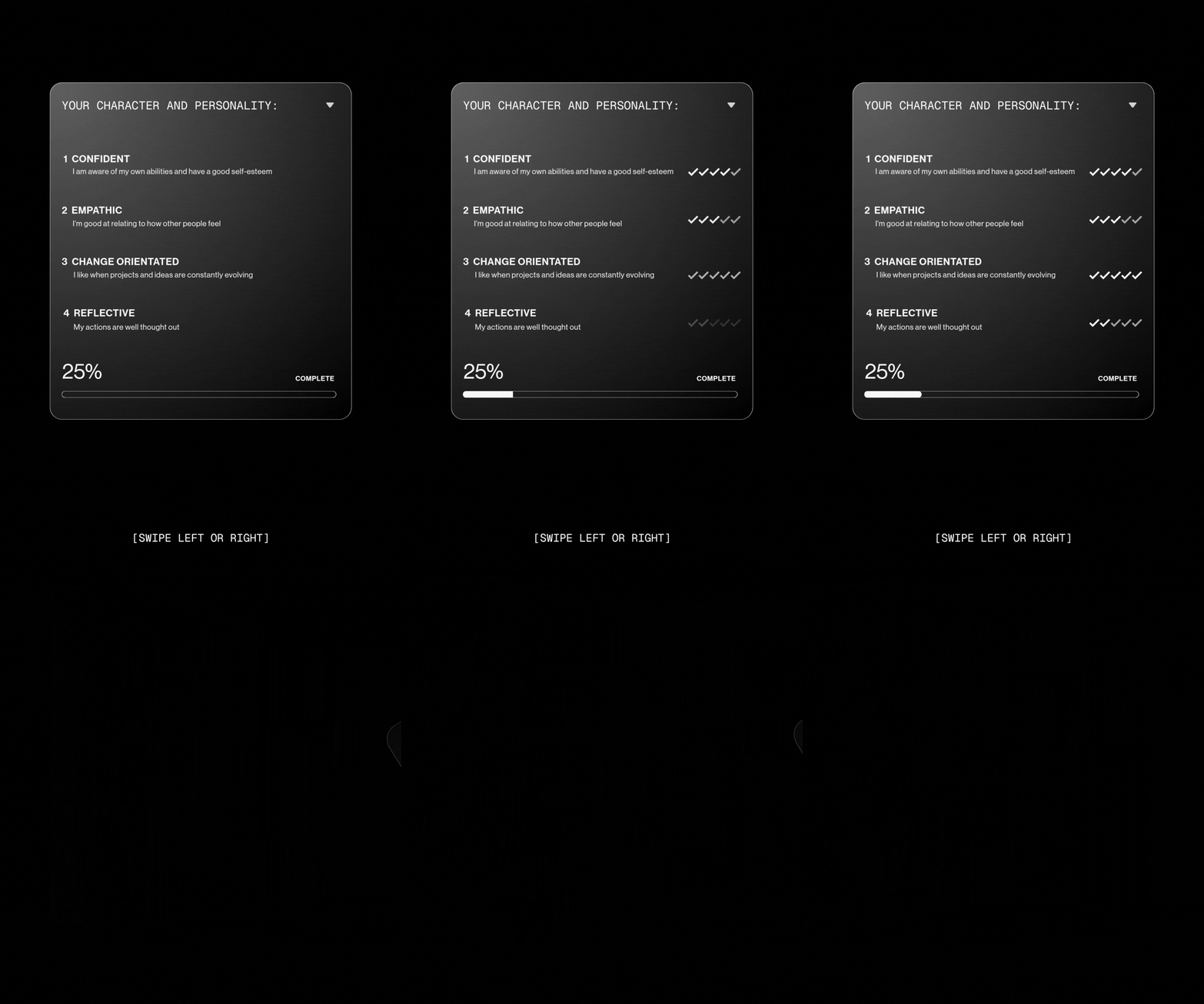
Students complete profiling to better understand their strengths, interests, and how they work. We offer two approaches—psychometric profiling (exploring personality, preferences, and working style) and video-based profiling (where students engage with real career content, and recommendations adapt based on what they watch, skip, and save).
Schools use profiling during subject selection, career programs, and across key transition points. It gives students a clear starting point, and a consistent reference for conversations with teachers, parents, and advisors.
Each profiling tool can be run as a one-off activity or revisited over time—supporting more informed subject choices, stronger engagement, and clearer career direction.
Students earn digital badges as they complete Virtual Work Experience and Skills modules—each one recognising specific competencies developed through real tasks and activities. Every badge is verified and backed by industry, giving it real meaning beyond the classroom.
Schools use digital badges to track skill development, recognise achievement, and give students tangible outcomes from career education. Badges can be used within employability programs, portfolios, and pathway conversations.
Students can build a collection of badges over time—creating a clear, shareable record of what they can do, not just what they’ve studied.

Gain a clear view of how students are engaging and where their career interests sit—what they’re completing, how much time they’re spending, and where they may need support.
Schools use this data to monitor participation, identify students who are disengaged or excelling, interest areas, and track progress across cohorts. It also supports reporting to leadership and helps demonstrate the impact of career education programs.
Insights can support 1:1 student conversations as well as group-level trends, helping schools design more targeted, data-led initiatives.

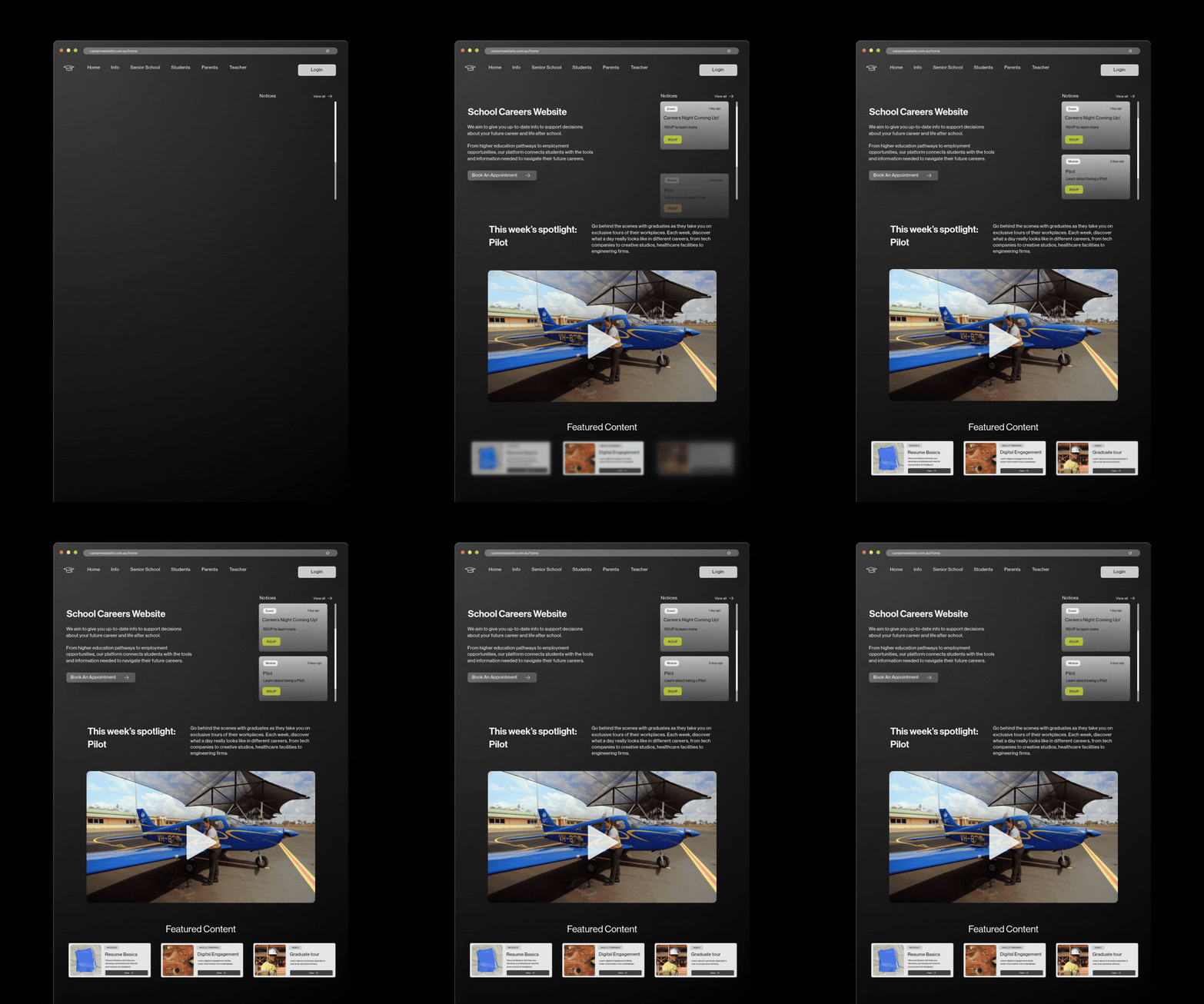
The Careers Website Builder brings all career-related content into one central, easy-to-manage platform. Schools can host resources, pathways information, opportunities, and key links in a format that’s clear and accessible for students, parents, and staff.
TCD manages and updates the core content, keeping the site fresh and relevant, while still allowing schools to customise their own pages, messaging, and priorities. This means it can be fully managed by us, or can be updated and tailored by an individual school.
Schools use the website as their single source of truth for careers - reducing scattered documents, emails, and links, while creating a more visible and engaging careers presence across the school community.
The Subject Selections Tool is highly customised to your school—built around your subject offerings, pathways, and structure. It brings together a student quiz, subject showcases, guided subject selection, and teacher reporting in one seamless experience.
Students start with a quiz to explore their interests and preferences, then move through tailored subject information and recommendations—helping them understand what each subject involves and where it can lead.
Schools use the tool during subject selection periods and within careers programs to provide a clear, consistent process for every student, while giving teachers visibility into choices, trends, and areas of support.
It can be used as a structured rollout for entire cohorts or embedded into ongoing career education—leading to more informed decisions, stronger alignment to pathways, and fewer subject changes.

We work with partners across industry and education
















.png?width=1080&height=1350&name=Scaling%20Career%20Education%20Across%20Campuses%20(2).png)